
When the Water Stopped: How the Bright Angel Flood Affected South Rim Workers and Lodging
The Grand Canyon’s South Rim can feel a world away from the narrow corridors of Bright Angel Creek. Visitors arrive to gaze across the canyon, stay at historic lodges, share meals, and explore overlooks that have welcomed generations of travelers. Yet the everyday operation of this busy park community depends on infrastructure hidden deep below the rim. When the August 29, 2026 flash flood damaged that infrastructure, the consequences spread far beyond the flooded creek bed.
With the South Rim facing a water emergency, overnight lodging was suspended, operations were curtailed, and the people who work in Grand Canyon Village found themselves confronting a new period of uncertainty. This is the story behind the closure notices: how damage in the inner canyon affected workers, families, and the businesses that depend on welcoming visitors.
A lifeline running through the canyon
For decades, the Transcanyon Waterline has carried water from the inner canyon to serve Grand Canyon’s developed areas. This system has long presented extraordinary maintenance challenges. Repairs demand crews working over steep ground, exposed slopes, and stretches of trail far from ordinary road access. Breaks in the waterline had already required conservation measures earlier in 2026, making the system’s vulnerabilities familiar to park staff and residents.
The August 29 flash flood turned an existing infrastructure challenge into a major emergency. Floodwaters destroyed the Bright Angel Creek water intake and damaged other components. The National Park Service later reported that approximately 40 percent of the legacy pipeline between the Phantom Ranch area and the North Rim had been damaged. Importantly, sections of the newer waterline infrastructure on the south side of the canyon were not damaged, giving crews a potential route toward restoring water service.
Hotels close as the South Rim conserves water
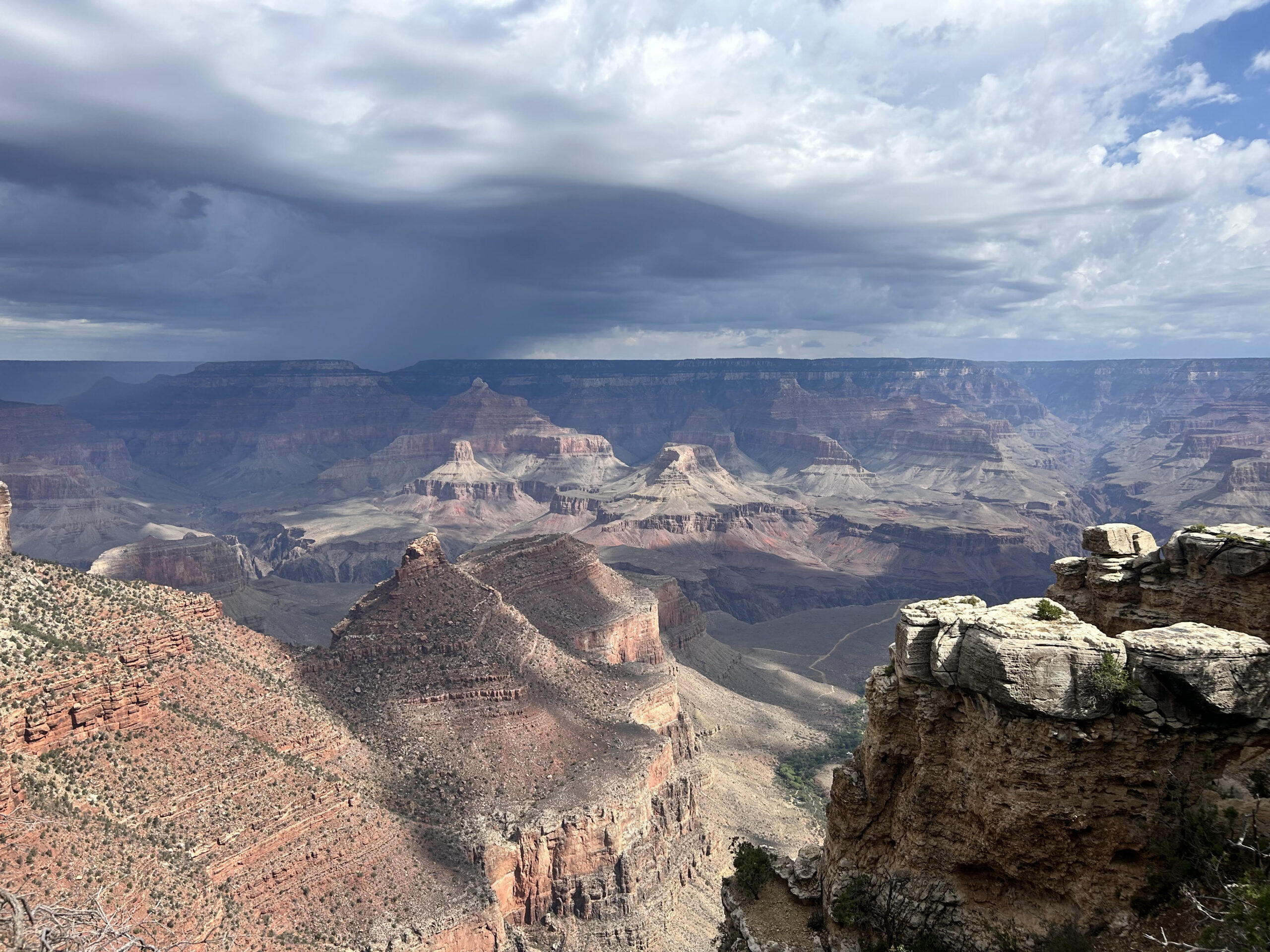
On August 30, park officials announced that Stage 4 water restrictions would begin at noon on August 31. To protect the limited water available in storage, overnight guest accommodations within the park were suspended beginning August 31. The affected facilities included Xanterra-operated El Tovar, Bright Angel Lodge, and Maswik Lodge, as well as Delaware North’s Yavapai Lodge and Trailer Village. Phantom Ranch accommodations were separately closed because of the flood damage in the inner canyon.
There was an important distinction in the park’s announcement: Grand Canyon National Park remained open for day use, and the South Rim’s food and beverage services were not all closed. The NPS said those operations would remain available, although some could have reduced hours. Lodging outside the park in Tusayan was not part of the park concession lodging suspension.
These operational differences matter for visitors making plans, but they matter even more to employees whose livelihoods are connected to every reservation, meal, and overnight stay. Closing hotel rooms does not affect only the guest who must find another place to sleep. It can disrupt the work schedules, hours, and potential earnings of front-desk personnel, housekeepers, maintenance staff, servers, and others throughout a hospitality operation. With restrictions stretching from the inner canyon to the developed South Rim, the economic effects can reach well beyond the damaged pipes.
The workers behind the visitor experience
Grand Canyon is an extraordinary place to visit, but it is also a place where people make their living. Some workers reside inside the park, others travel from nearby communities, and many depend on seasonal patterns of employment. When a natural disaster interrupts visitor services, the result can be uncertain work hours and reduced income at precisely the time when households need stability.
The economic consequences will continue to unfold as the repair work advances. For employees facing reduced shifts and uncertain income, the closure of guest rooms is not simply a change in a visitor’s itinerary. It can affect the everyday decisions that families must make. These are people who have spent their days welcoming visitors, preparing rooms and meals, maintaining facilities, and keeping essential services operating. Their needs deserve attention alongside engineering reports and water-storage figures.
Repair work interrupted again
On September 8, the NPS described an effort to build a temporary Bright Angel Creek intake, connect it to newer sections of the Transcanyon Waterline, and restore the flow of water toward the South Rim. Engineers were targeting a pumping capacity of about 500 gallons per minute, comparable to the previous intake. Meanwhile, residents, employees, and visitors were asked to conserve water, while portable sanitation facilities and potable-water tanks helped reduce pressure on the system.
The difficulties did not end there. On September 16, another flash flood moved through Bright Angel Canyon and damaged temporary water infrastructure that crews were building in response to the first flood. Work had to be reassessed, underscoring how quickly conditions could change in the canyon.
A long road toward restored water and employment
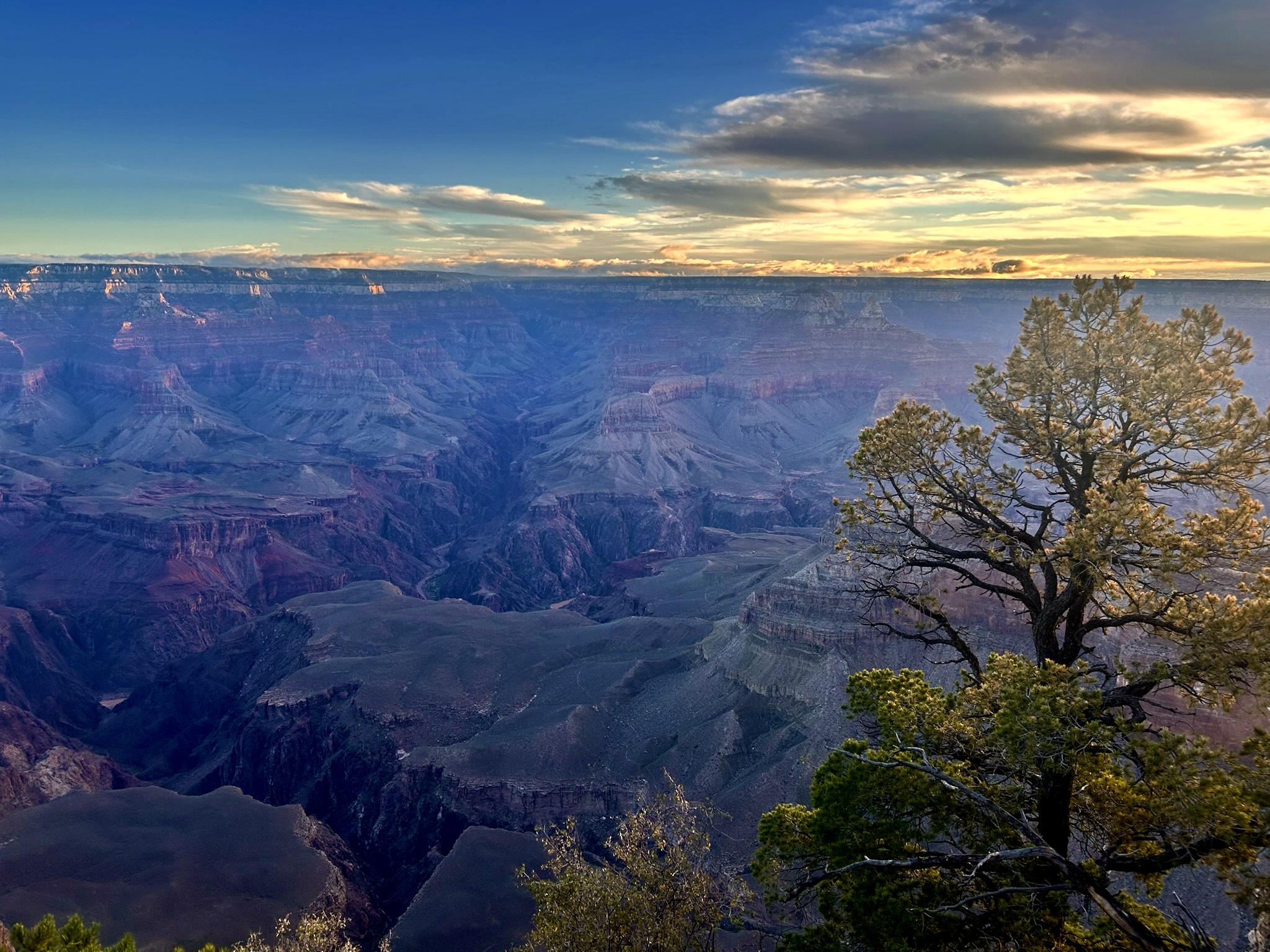
On September 19, the National Park Service released tentative repair projections. At that time, crews anticipated that pumping from Bright Angel Creek could begin around November 16, with distribution to South Rim residents around Thanksgiving and a possible phased return of overnight accommodations thereafter. These were planning estimates rather than guaranteed reopening dates, and park managers emphasized that the schedule would depend on successful construction, testing, and water-system conditions.
For people whose schedules and paychecks were disrupted, the important point is that a water emergency can have a much longer economic afterlife than the storm itself. The repair work is essential, but it cannot erase weeks or months of uncertainty for employees and their families.
Keeping our canyon community in view
Just a year after the Dragon Bravo Fire devastated the North Rim, flooding has created another set of challenges for the people who keep Grand Canyon running. Our ongoing community relief effort began with North Rim workers, and the hardship now felt in other parts of the park is a reminder of how connected this community truly is.
To learn more about the people and the continuing effort, visit the Grand Canyon relief fund page. You can also contribute to the ongoing fundraiser and help keep support moving forward.

Sources and further reading
NPS: August 30 South Rim lodging and water announcement; NPS: September 8 recovery and repair update; NPS: September 17 additional flood damage; NPS: September 19 projected water restoration dates.


