
When the Dragon Bravo Fire Changed the North Rim: The Loss, the People, and the Road Ahead
The North Rim of the Grand Canyon has always been more than a destination. Its ponderosa forests, quiet roads, historic cabins, and extraordinary overlooks have given generations of visitors a sense of having reached a place set apart. Yet what makes the North Rim truly special is not simply the landscape. It is the community of people who live and work there, often far from the conveniences most of us take for granted.
In July 2025, that community faced a catastrophe unlike anything in recent memory. The Dragon Bravo Fire changed the physical landscape, destroyed beloved historic places, and brought an abrupt end to a season of work for many who depended on the North Rim for their livelihood.
From a lightning strike to a rapidly growing fire
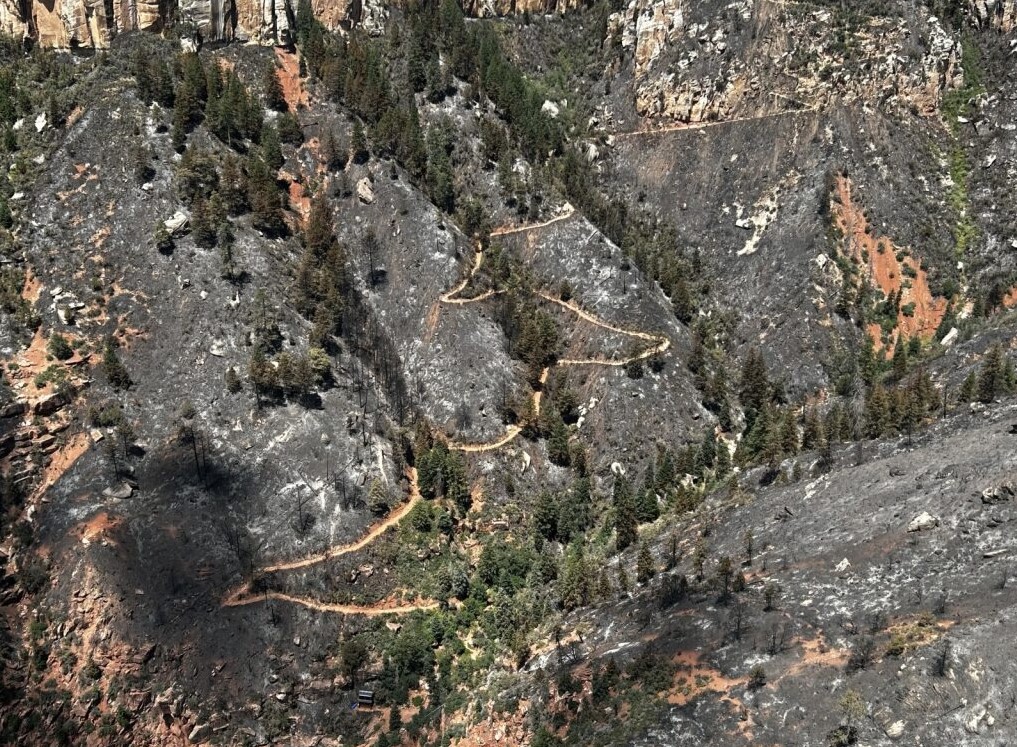
The Dragon Bravo Fire began with a lightning strike on July 4, 2025, on the Kaibab Plateau. Initial efforts focused on confining and containing the fire, but a shift in weather brought dangerous winds and rapidly changing conditions. On July 11 and 12, flames advanced toward developed areas despite the efforts of firefighters. Sustained winds and strong gusts pushed the blaze through forested terrain toward facilities that had served the park for generations.
The situation grew more complicated when fire damaged the North Rim water treatment facility. A chlorine gas release prompted additional evacuations and restrictions in the inner canyon. Firefighters and park staff faced not only the advancing flames but a serious hazardous-materials threat.
On July 13, the National Park Service confirmed the destruction of the historic Grand Canyon Lodge and numerous cabins. Other administrative buildings, facilities, and employee spaces were also lost. The Lodge had been one of the North Rim’s defining places, an enduring gathering point for visitors to stand on its terrace and look out across the canyon. Its loss was cultural as well as physical.
The toll that cannot be measured in acres
Much of the early reporting understandably focused on the Lodge, the acreage burned, and the efforts of firefighters. Those are important parts of the story, but they do not tell all of it. North Rim employees include hospitality workers, guides, maintenance teams, concession staff, and other seasonal and year-round personnel. The evacuation and extended closures disrupted their jobs, housing arrangements, income, and plans for the remaining season. For many, the North Rim is not merely where they report for work. It is the community around which they have built their lives.
That human need led to the Dragon Bravo Fire Relief Fund. The purpose is straightforward: to stand alongside the people affected, connect generosity with real community needs, and remind workers that they have not been forgotten after the news cycle moves on.
What survived, and what recovery requires
The wildfire burned across a large portion of the Kaibab Plateau, eventually covering approximately 149,399 acres. Fire effects were far from uniform. Burned Area Emergency Response assessments documented a patchwork of lighter and more severe burn areas, with some vegetation and soil structure remaining intact. That distinction matters. A landscape can suffer enormous losses to buildings, roads, and cherished historic places while portions of its natural ecosystems retain the capacity to recover.
At the same time, hazards remain in affected terrain. Dead trees, unstable slopes, debris, damaged water systems, and the possibility of increased runoff during intense storms mean that reopening must be gradual and carefully managed. Repairing access is one undertaking; rebuilding the North Rim’s facilities, workforce opportunities, and long-standing traditions is another.
A first step toward reopening
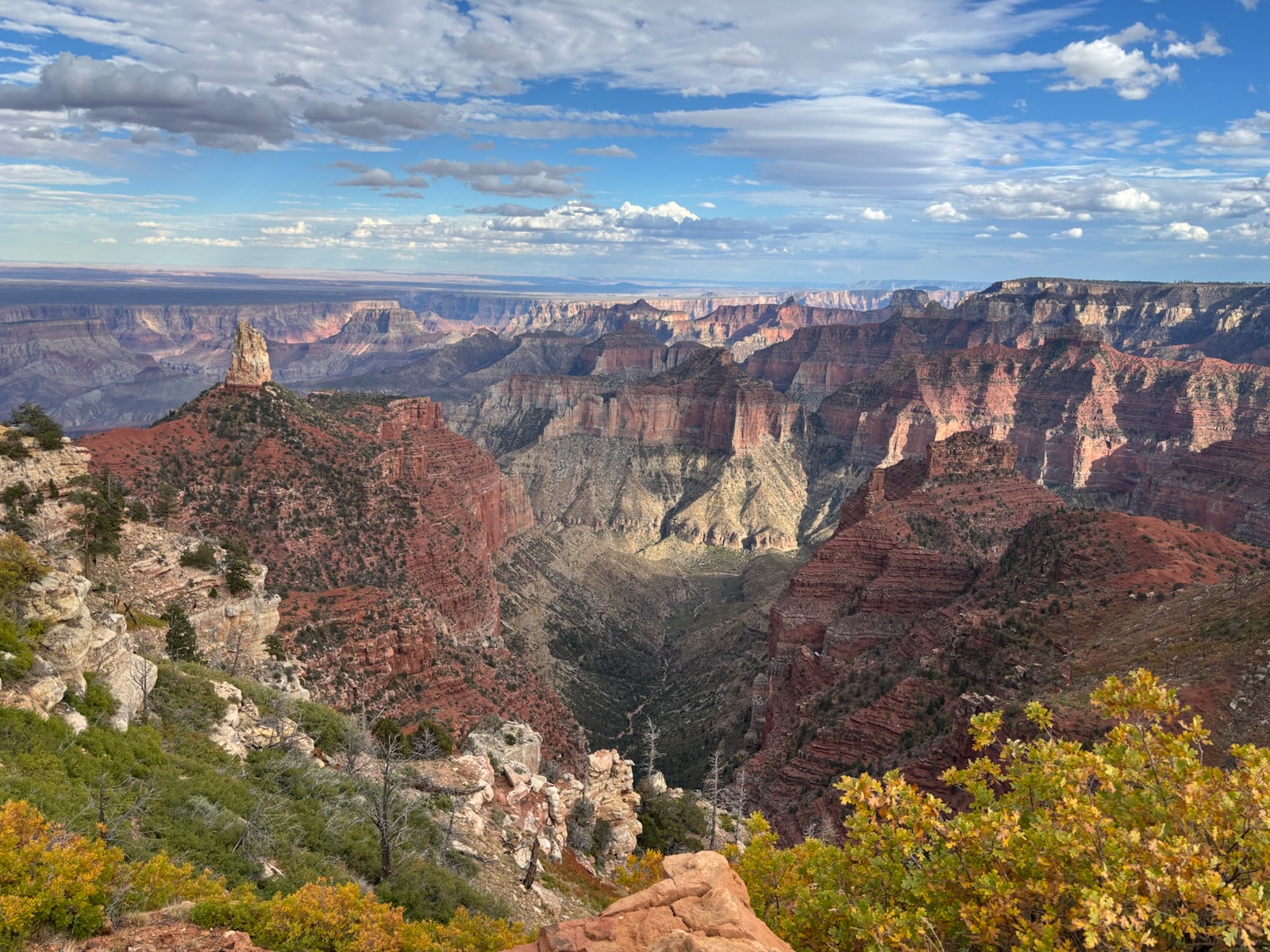
On September 25, the National Park Service announced a limited reopening of selected North Rim areas beginning October 1. Scenic destinations including Point Imperial and Cape Royal would again be reachable under restricted conditions, even as the developed Lodge area and other hazardous locations remained closed. It was a modest but meaningful first step, not a return to normal.
For visitors, that reopening offered a chance to see portions of the North Rim again. For its workers and neighboring communities, a much longer recovery lay ahead. The return of people, services, and dependable employment would require time, careful planning, and ongoing support.
Our Grand Canyon community still matters
A place can be rebuilt in phases, but people cannot put their lives on hold while every road, trail, and building is repaired. The Dragon Bravo Fire Relief Fund exists because the men and women who welcome visitors, maintain the park, operate its services, and care for the canyon deserve to be remembered throughout the recovery process.
Support the Dragon Bravo Fire Relief Fund or learn more about the continuing effort. Every act of generosity helps keep this community’s needs in view.

Sources and further reading
NPS: Dragon Bravo Fire update, July 13, 2025; NPS: North Rim water treatment facility incident; NPS: September 25 partial reopening announcement; NPS: North Rim status and fire timeline.


